
Quick Verdict
Live $1/$3 and $2/$5 games are a different animal from online — limpers everywhere, massive open sizes, players who’ve never heard of a c-bet frequency. The Crush Live Poker Blueprint is built for exactly that jungle. Its edge is specificity: this is not online theory awkwardly translated to live, it’s strategy built from live dynamics up. Weak spot: if you never play live, skip it entirely — the adjustments would actively hurt your online game. Live grinders between $1/$2 and $2/$5: this is the most targeted thing we stock for you. Also see our $1/$2 exploits guide for a free taste of the approach. Reviewed: August 2026.
Introduction to the Crush Live Poker Blueprint
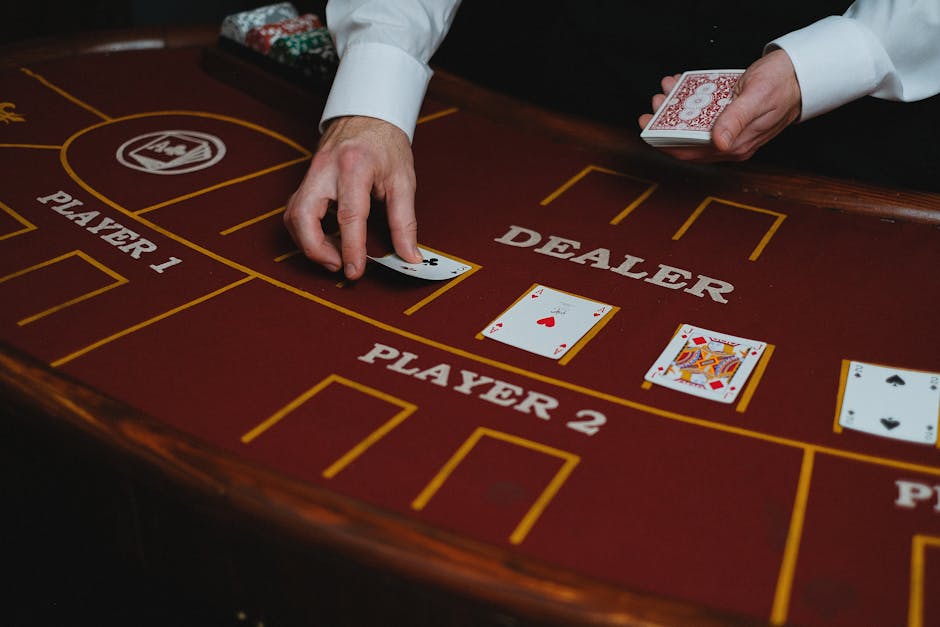
The Crush Live Poker Blueprint is a comprehensive training program created to help poker players transition from casual enthusiasts to consistent winners in live cash games. It focuses on the intricacies of $1/$3 and $2/$5 no-limit hold’em, the most common stakes found in casinos across North America. These games are often populated by recreational players, retirees, and weekend grinders, which makes them highly profitable for players who understand how to adjust to live dynamics. The Blueprint emphasizes that success in these games depends not only on mathematical knowledge but also on reading opponents, managing emotions, and exploiting human tendencies. This review explores the course’s structure, content quality, and the tangible impact it can have on real-world performance at the felt.
Unlike many online-focused poker courses, the Crush Live Poker Blueprint is built around the live environment—where physical tells, table talk, and pace of play significantly influence decision-making. The course aims to bridge the gap between theoretical understanding and practical execution, guiding players toward a disciplined, observation-based approach that thrives in low- to mid-stakes live settings.
Overview of the Course
The Crush Live Poker Blueprint is structured as a step-by-step training system that breaks down live poker fundamentals into digestible modules. Each module builds upon the previous one, ensuring a logical learning progression. The program combines video lessons, hand breakdowns, and quizzes to reinforce learning. The emphasis is on applying concepts immediately at the table, not just memorizing charts or solver outputs. The Blueprint also integrates mental game coaching, helping players remain composed during long sessions and inevitable downswings.
Course Structure
- Module 1: Core Live Poker Concepts – Introduces foundational principles such as position, pot odds, and table image, with a focus on how these differ in live settings.
- Module 2: Preflop Strategy for $1/$3 and $2/$5 – Details optimal opening ranges, 3-betting frequencies, and isolation plays against limpers.
- Module 3: Postflop Decision-Making – Examines continuation betting, value targeting, and bluff selection in multiway pots.
- Module 4: Exploitative Adjustments – Teaches how to deviate from balanced play to maximize profit against specific player types.
- Module 5: Bankroll and Mindset Management – Covers emotional control, variance management, and long-term goal setting.
Each module includes real hand examples recorded from live sessions, allowing students to see theory in action. The course encourages note-taking and self-review, helping players identify leaks in their own games.
Key Lessons and Takeaways
1. Reading Live Players
One of the Blueprint’s strongest features is its deep dive into live reads. The course explains how to interpret physical tells—such as shaking hands, posture changes, or chip handling—as well as verbal cues that reveal confidence or discomfort. For instance, a player who suddenly becomes talkative after betting may be bluffing, while one who goes silent could be holding a strong hand. The Blueprint stresses that these observations should be combined with betting patterns and timing tells to form accurate reads. It also teaches players how to disguise their own behavior to avoid giving away information.
2. Adjusting to Table Dynamics
Live poker is inherently social and slower-paced than online play. The Blueprint teaches players to use this to their advantage by observing every hand, even when not involved. It explains how to identify the table’s dominant personalities—such as the loose gambler or the quiet nit—and how to adjust aggression levels accordingly. For example, when seated at a passive table, increasing open-raise frequency can yield steady profits, while at an aggressive table, patience and selective trapping become more effective. The course also discusses recognizing momentum shifts, such as when the table becomes tilted after a big pot, and how to capitalize on those emotional swings.
3. Bankroll Management and Variance
Proper bankroll management is critical for long-term success. The Blueprint recommends maintaining at least 30 to 40 buy-ins for the stakes you play, ensuring that variance doesn’t force you out of the game. It provides examples of how short-term results can fluctuate dramatically even for skilled players. A helpful table illustrates expected variance:
| Stakes | Recommended Bankroll | Typical Win Rate (bb/hr) |
|---|---|---|
| $1/$3 | $6,000–$10,000 | 8–12 |
| $2/$5 | $15,000–$25,000 | 6–10 |
The course emphasizes emotional control—understanding that downswings are inevitable and that consistent decision-making matters more than short-term outcomes. It includes exercises for maintaining focus, such as journaling sessions and reviewing hands objectively rather than emotionally.
4. Understanding Player Archetypes
The Blueprint categorizes live opponents into several archetypes, each with exploitable tendencies. Recognizing these types allows players to tailor strategies effectively:
- Loose Passive: Calls too often, rarely raises. Strategy: Value bet relentlessly and avoid bluffing.
- Tight Aggressive (TAG): Selective and disciplined. Strategy: Steal blinds and apply pressure in position.
- Recreational Gambler: Plays erratically, chasing draws. Strategy: Simplify decisions and let them make mistakes.
- Old School Rock: Overfolds to aggression. Strategy: Increase bluff frequency in late position.
By identifying archetypes early, players can adjust quickly and avoid costly misreads.
Detailed Strategy Insights
Preflop Strategy
The preflop module emphasizes disciplined hand selection and position awareness. It explains that most live players call too much, so raising larger preflop sizes (e.g., 5x–6x the big blind) can isolate weaker opponents. The Blueprint provides example opening ranges for different positions and teaches when to deviate based on table composition. It also covers 3-betting strategy—how to balance value hands with selective bluffs to keep opponents guessing. For instance, 3-betting suited connectors against frequent openers can generate fold equity while maintaining playability postflop.
Common preflop mistakes addressed include:
- Overlimping speculative hands out of position
- Failing to punish habitual limpers
- Calling 3-bets with dominated hands
The Blueprint encourages players to think in terms of expected value rather than curiosity calls, reminding them that folding marginal hands preflop often saves more money than fancy postflop play earns.
Postflop Play
Postflop play is where most live players lose the bulk of their money. The Blueprint stresses that value betting should be the default approach because low-stakes opponents tend to call too much rather than fold too often. It breaks down board textures—dry, coordinated, paired—and how to adjust continuation bet frequencies accordingly. For example, on dry ace-high boards, small continuation bets work well, while on draw-heavy boards, larger bets protect equity. The course also introduces the concept of bet sizing as communication: your bet tells a story, and consistent sizing helps disguise hand strength.
| Situation | Recommended Action | Reasoning |
|---|---|---|
| Multiway Pot with Top Pair | Bet for Value | Extracts maximum from calling stations |
| Heads-Up vs Tight Opponent | Mix in Bluffs | Exploits fold tendencies |
| Facing Donk Bet | Raise Selectively | Tests weak ranges and defines hand strength |
The Blueprint also explores how to identify profitable bluff spots, particularly against observant opponents who can fold. It warns against overbluffing in multiway pots, a common leak among ambitious players trying to force action.
Turn and River Play
Later streets require discipline and precision. The Blueprint teaches pot control—keeping pots manageable when holding medium-strength hands—and thin value betting, where small bets on the river can extract chips from worse hands. It also emphasizes avoiding “hero calls” in marginal spots, explaining that folding in uncertain situations often preserves long-term profitability. The course provides hand examples showing how to size river bets to induce calls or folds depending on opponent tendencies. A recurring theme is that great players know when to let go of a hand, while average players pay off too often out of curiosity.
Mindset and Mental Game
Beyond technical skill, the Blueprint dedicates significant attention to the mental side of poker. It teaches how to maintain concentration during long sessions, handle bad beats gracefully, and avoid emotional tilt. The course introduces mindfulness techniques such as short breathing exercises between hands and setting session goals unrelated to money, like “make three disciplined folds.” It also addresses the psychological traps of live poker—boredom, impatience, and ego. By reframing poker as a long-term investment rather than a night of gambling, players can sustain motivation and consistency.
Practical tips include:
- Take short breaks every two hours to reset focus.
- Track emotional state after each session in a journal.
- Set realistic profit goals based on volume, not luck.
These small habits compound over time, leading to steadier results and reduced burnout.
Practical Application in Live $1/$3 and $2/$5 Games
Applying the Blueprint’s lessons in real casinos demonstrates its effectiveness. Players who adopt its strategies report improved table awareness, better bet sizing, and increased confidence in marginal spots. The Blueprint’s exploitative approach is particularly suited for small- to mid-stakes games, where opponents often play predictably. For instance, when a $1/$3 player limps frequently, raising to isolate and continuation betting most flops can yield consistent profits. Similarly, against overly aggressive $2/$5 regulars, adopting a trap-heavy style can turn their aggression against them.
Common Mistakes Addressed
- Overvaluing weak top pairs and refusing to fold.
- Failing to adjust bet sizing to opponent type or stack depth.
- Playing too many marginal hands out of position.
- Ignoring table image and flow, leading to predictable play.
By correcting these errors, players can see measurable improvement in win rates within weeks. The Blueprint encourages tracking results and reviewing sessions to identify recurring leaks. It also suggests discussing hands with peers or in study groups to reinforce learning.
Who Should Take This Course?
The Crush Live Poker Blueprint is ideal for serious recreational players and aspiring semi-professionals who want to refine their live fundamentals. It’s not a solver-heavy course; rather, it focuses on real-world execution and human psychology. Beginners who already understand basic poker rules will find the lessons accessible, while experienced players will appreciate the structured approach to exploiting live tendencies. The course is also valuable for online players transitioning to live poker, as it highlights key differences such as slower pace, deeper stacks, and the importance of physical presence.
Strengths and Weaknesses
| Strength | Weakness |
|---|---|
| Comprehensive coverage of live dynamics and psychology | Limited advanced GTO or solver-based content |
| Actionable strategies for immediate improvement | Requires consistent practice for mastery |
| Strong focus on mindset and emotional discipline | Some repetition across modules for reinforcement |
| Real-world examples from actual casino sessions | Video quality varies between lessons |
Value for Money
Considering the depth of instruction and its real-world applicability, the Crush Live Poker Blueprint offers excellent value. The course provides a structured path for players who want to move beyond casual play and start treating poker as a skill-based pursuit. Compared to private coaching or high-end solver subscriptions, the Blueprint’s cost is modest, especially given its focus on live profitability. For those seeking additional study materials, complementary poker courses and tools can be found here, many of which align with the Blueprint’s exploitative philosophy.
Final Verdict
The Crush Live Poker Blueprint fulfills its promise of helping players beat live $1/$3 and $2/$5 games. Its blend of strategic insight, psychological awareness, and practical application makes it one of the most effective live poker training tools available. While it doesn’t replace advanced solver study for higher-stakes aspirants, it gives players the real-world edge needed to thrive in soft casino environments. For anyone serious about improving their live results, this course provides a clear, actionable roadmap toward consistent profitability.
FAQ
What makes the Crush Live Poker Blueprint different from other courses?
It focuses specifically on live poker dynamics, emphasizing psychological and exploitative strategies rather than purely theoretical or solver-based play. The lessons are grounded in real casino experience rather than abstract simulations.
Can beginners benefit from this course?
Yes. The course assumes only a basic understanding of poker rules and gradually builds up to advanced live concepts, making it suitable for motivated beginners and intermediate players alike.
Is the Blueprint suitable for online play?
Although designed for live games, many principles—such as range construction, bet sizing, and emotional control—translate well to online environments. Players can adapt the exploitative mindset to exploit online population tendencies.
How long does it take to see improvement?
Most players report noticeable improvements in decision-making, confidence, and win rates within four to six weeks of consistent application. However, long-term mastery requires ongoing study and reflection.
Does the course include updates?
Yes, the Blueprint receives periodic updates to reflect evolving live poker trends, including new exploitative adjustments and modern table dynamics. Enrolled students gain access to these updates automatically, ensuring the material remains current.