
Understanding Poker Hands and Learning Poker Strategy
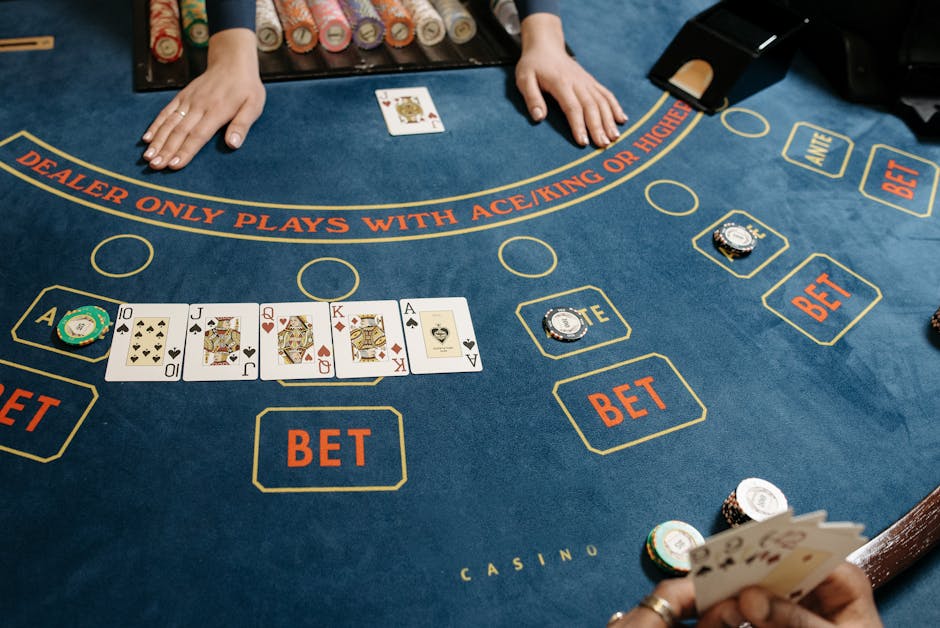
Learning poker begins with understanding poker hands and how they form the foundation of every strategy. Whether playing Texas Hold’em, Omaha, Seven-Card Stud, or another variant, knowing which hands win and how to play them effectively is essential. Every decision in poker—from preflop raises to river calls—relates back to the relative strength of your hand compared to your opponent’s possible holdings. This guide explores poker hand rankings, strategy fundamentals, and modern tools that help players progress from beginner to advanced levels, developing both analytical and psychological skills required for long-term success.
In poker, knowledge is cumulative. A player who understands hand rankings can start to think in probabilities, and a player who understands probabilities can then apply strategy. By mastering these layers, you transform from a casual participant into a confident strategist capable of adapting to any table dynamic.
Poker Hand Rankings Explained
Before mastering strategies, players must memorize the hierarchy of poker hands. These rankings determine the strength of each hand and the likelihood of winning. The hierarchy remains consistent across most poker variants, though some games introduce wild cards or lowball rankings. Understanding these rankings not only helps you identify winning hands but also allows you to calculate odds and make informed betting decisions.
| Rank | Hand | Description |
|---|---|---|
| 1 | Royal Flush | A, K, Q, J, 10 of the same suit. The rarest and strongest possible hand. |
| 2 | Straight Flush | Five consecutive cards of the same suit, such as 9-8-7-6-5 of hearts. |
| 3 | Four of a Kind | Four cards of the same rank, like four Kings. |
| 4 | Full House | Three of a kind plus a pair, for example, three Queens and two Tens. |
| 5 | Flush | Five cards of the same suit, not in sequence, such as A-10-7-5-2 of spades. |
| 6 | Straight | Five consecutive cards of any suit, such as 5-6-7-8-9 mixed suits. |
| 7 | Three of a Kind | Three cards of the same rank, for example, three 8s. |
| 8 | Two Pair | Two different pairs, such as J-J and 4-4. |
| 9 | One Pair | Two cards of the same rank, such as two Aces. |
| 10 | High Card | When no other hand is made, the highest card wins. Example: Ace-high beats King-high. |
While the Royal Flush is the dream hand, most pots are won with far less. Understanding how often each hand appears helps players make rational decisions. For instance, a flush occurs roughly once every 500 hands, while a pair appears nearly every other hand.
Memorizing Poker Hands
To learn poker hands efficiently, practice comparing random hands and determining which one wins. Online simulators, flashcards, and mobile apps can help reinforce this knowledge through repetition and quizzes. A useful exercise is to shuffle a deck, deal two random hands, and mentally calculate which one has the advantage. Over time, this builds instinctive recognition.
- Start with the top three hands (Royal Flush, Straight Flush, Four of a Kind).
- Gradually add lower-ranked hands until the full hierarchy is memorized.
- Use visual aids or printable charts for quick reference during practice.
Learning Poker Strategy
Understanding poker hands is only the beginning. Strategy involves reading opponents, managing bankrolls, and making mathematically sound decisions. Players who combine theoretical knowledge with practical experience develop a significant edge. Poker is a game of incomplete information, so your goal is to make the best decision possible with the data available. This requires logic, observation, and emotional control.
Core Poker Concepts
- Position: Acting later in a hand provides more information and strategic advantage. For example, playing from the button allows you to see all other players’ actions before deciding.
- Pot Odds: Comparing the size of the pot to the cost of a call helps determine profitability. If the pot offers better odds than your chance of hitting a winning hand, calling is justified.
- Expected Value (EV): Calculating EV ensures decisions are profitable over time. A positive EV decision may lose occasionally but wins in the long run.
- Range Thinking: Instead of guessing one hand, estimate the range of possible hands an opponent may hold. This approach mirrors how professionals think and react.
These concepts form the foundation of any winning strategy. Beginners often focus on their own cards, but advanced players think in ranges, probabilities, and tendencies.
Developing a Solid Preflop Strategy
Preflop decisions set the tone for every hand. Using structured preflop charts, such as those from Carrot Poker Solved Ranges, helps players make mathematically sound choices based on position and stack size. For example, raising with suited connectors in late position may be profitable, while doing so from early position could be risky. Preflop discipline prevents costly mistakes and builds a strong foundation for postflop play.
Postflop Play and Decision-Making
Postflop play involves interpreting board textures, opponent tendencies, and bet sizing. Tools like the SuperVision HUD by BluffTheSpot offer real-time data that enhances decision-making by tracking opponent behavior patterns. A dry board (e.g., K-7-2 rainbow) favors preflop raisers, while a wet board (e.g., 9-8-7 with two suits) creates more drawing possibilities. Understanding these textures helps determine when to bet, check, or fold.
Advanced Poker Learning Tools
Modern poker players rely on structured educational resources to accelerate improvement. Several professional training programs and tools are designed for different learning stages. These resources combine theory, practical examples, and mental game training to create a holistic learning experience.
- Run It Once Essential Pro by Peter Clarke: Covers fundamental to advanced concepts for building a professional-level strategy.
- Foundations Course: Ideal for beginners seeking to master core principles and habits.
- Mastering ISO Pots: Focuses on isolating opponents effectively to gain control of pots.
- Limped Pot Dynamics & River Play: Teaches situational strategies for maximizing value and minimizing losses.
- Raise Your Edge (RYE): Enhances mental performance for consistent results in poker and life.
Integrating HUDs and Solvers
Heads-Up Displays (HUDs) and solvers have transformed online poker. HUDs provide real-time statistics like VPIP (Voluntarily Put Money in Pot) and aggression frequency, while solvers analyze optimal strategies for specific situations. Using both creates a balanced learning environment that blends data and intuition. For instance, a solver might suggest a mixed strategy—betting 70% of the time and checking 30%—which can then be applied in real games.
Tracking and Analyzing Performance
Regular review of hands is vital for identifying leaks and improving decision-making. Players can use tracking software to categorize hands by type, position, and outcome. This quantitative approach ensures consistent growth and measurable progress. Keeping a poker journal or spreadsheet of key sessions helps visualize trends and maintain accountability.
Psychology and Mindset in Poker
Emotional control is as important as technical skill. Variance can cause short-term losses even with correct play, so maintaining discipline and focus is crucial. Mental training programs, such as Raise Your Edge, emphasize building resilience and consistency under pressure. Recognizing tilt—the emotional frustration that leads to poor decisions—is a critical milestone in a player’s development.
Bankroll Management
Proper bankroll management protects players from going broke during downswings. A common guideline is to maintain at least 20–50 buy-ins for cash games or 100 for tournaments, adjusting for skill level and risk tolerance. For example, if you play $1/$2 cash games, a bankroll of $4,000–$10,000 provides a safety buffer. Conservative bankroll management ensures longevity and reduces stress during variance-heavy periods.
Practical Steps to Learn Poker Hands Faster
- Study hand rankings daily until recognition becomes automatic. Repetition builds confidence.
- Use flashcards or apps to test recall speed and accuracy.
- Play micro-stakes games to apply knowledge in real situations without significant risk.
- Review each session and note common mistakes or misread hands.
- Gradually incorporate range-based thinking into analysis, moving from memorization to strategic reasoning.
Consistency is more important than intensity. Ten minutes of focused study daily often yields better results than sporadic long sessions.
Common Mistakes When Learning Poker
- Overvaluing weak hands like top pair with poor kickers, leading to unnecessary losses.
- Ignoring position and acting impulsively, which removes informational advantage.
- Chasing draws without proper pot odds, resulting in long-term negative EV.
- Failing to adjust strategy against different player types—tight, loose, aggressive, or passive.
- Neglecting mental and emotional preparation, which leads to tilt and inconsistent play.
Recognizing these mistakes early allows players to correct course and accelerate improvement. Keeping a log of recurring errors can help identify patterns and prevent repetition.
External Learning Resources
To complement structured courses, players can explore reputable educational websites such as PokerNews Strategy and CardPlayer Hand Matchups for free strategy articles and hand analysis tools. These resources provide additional insights without conflicting with premium training programs. Forums like TwoPlusTwo and Reddit’s r/poker also offer peer discussions and hand reviews that expose learners to diverse perspectives.
Building a Long-Term Learning Plan
Consistency is key in poker education. Players should schedule regular study sessions, alternate between theory and practice, and track performance metrics. Over time, this disciplined approach leads to mastery of poker hands and strategic thinking. Setting measurable goals—such as increasing win rate or improving positional awareness—helps maintain motivation and structure.
Weekly Study Routine Example
| Day | Focus Area |
|---|---|
| Monday | Review hand histories and analyze mistakes. |
| Tuesday | Study preflop ranges with solver tools. |
| Wednesday | Play a session focusing on position awareness. |
| Thursday | Watch training videos and take notes on key concepts. |
| Friday | Evaluate mental game and bankroll management strategies. |
| Weekend | Play tournaments or cash games to apply learning in real time. |
Following a structured schedule ensures steady progress and prevents burnout. Adjust the plan based on personal goals, available time, and preferred learning style.
Conclusion: Mastering Poker Hands to Learn Poker Effectively
Mastering poker hands and strategy is the cornerstone of becoming a confident player. From understanding rankings to applying advanced concepts, every step builds toward consistent success. Combining structured study, professional tools, and disciplined practice ensures long-term improvement and enjoyment of the game. Poker rewards patience, curiosity, and adaptability—qualities that extend beyond the table into everyday decision-making.
FAQ
What are the strongest and weakest poker hands?
The strongest hand is the Royal Flush, while the weakest is a High Card hand with no combinations. However, context matters—a High Card can still win if opponents miss their draws.
How can beginners learn poker hands quickly?
Beginners should use visual aids, flashcards, and practice apps to memorize rankings efficiently. Pairing study with live or online play accelerates retention.
Is using a HUD allowed in online poker?
Most online platforms permit HUDs like SuperVision HUD by BluffTheSpot, though players should check site rules before use. Some recreational sites restrict third-party software to maintain fairness.
What is the best way to practice poker strategy?
Combine study sessions with real play, review hands after each session, and use solver tools for deeper understanding. Discussing hands with peers or coaches further refines decision-making.
How important is mindset in poker success?
Mindset is critical; emotional stability and discipline often separate winning players from losing ones. A calm, analytical approach ensures consistent performance even during variance swings.